Ideation Through Art with Jemima
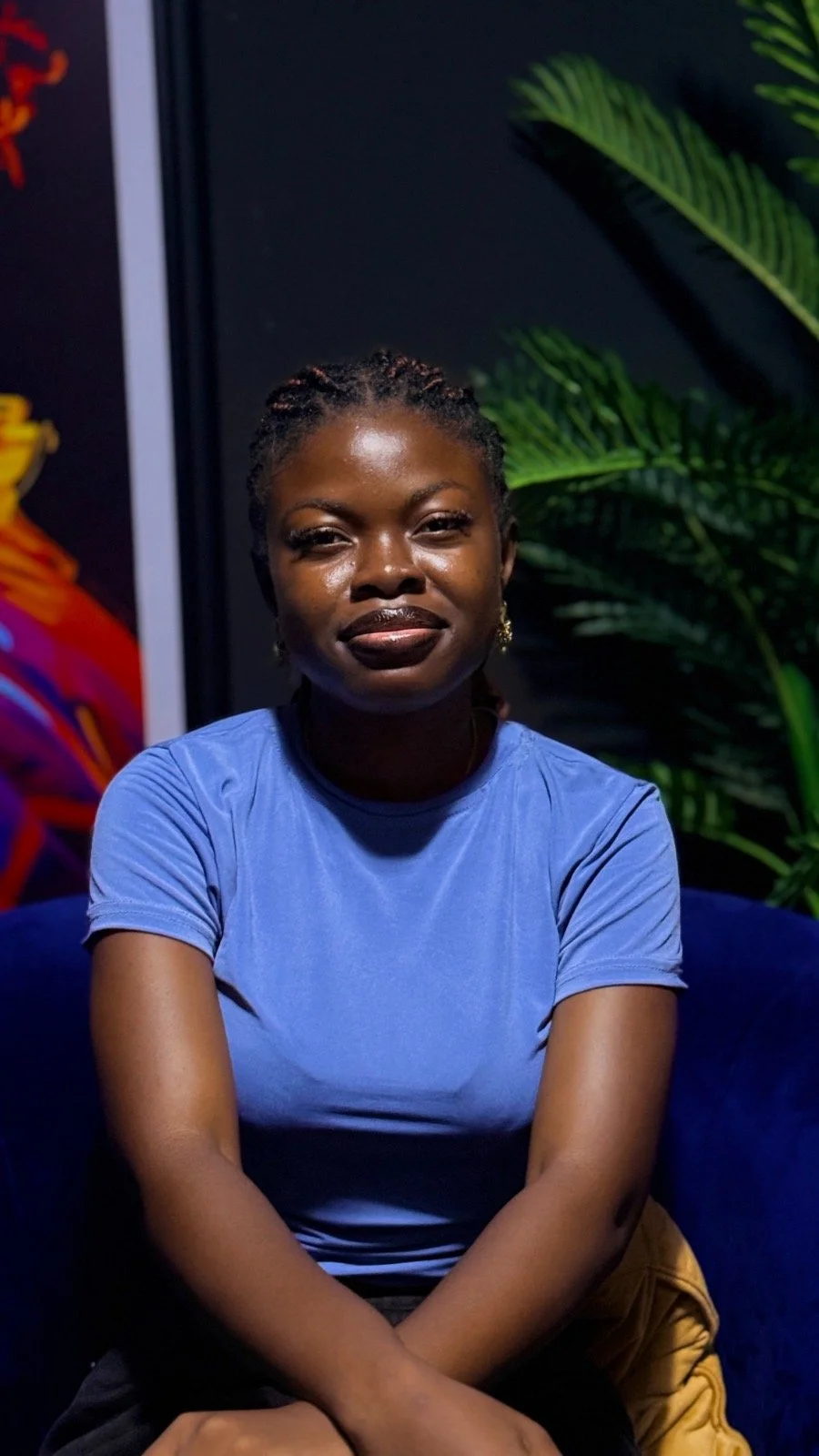
The process of making art has come a long way. With new software, artists can make magic with more than just oil paints, acrylics, and other physical materials
Jemima Fosua Gaisie is a Ghanaian illustrator and collage artist whose work sits at the intersection of activism and ideation. Fosua uses digital tools like Adobe Illustrator to create art.
Can You tell me about the First Impression of You and Your Work?
At first, when you meet me, I appear to be a bit shy. I tend to become slightly nervous meeting new people. However, once I feel at ease, I readily engage in conversation. I’m deeply passionate about art and creating, and I also enjoy reading, photography, and watching investigative crime shows.
I also enjoy word games, as they help me maintain mental sharpness. Familiarity inspires me at my core. I’m passionate about creating art that reflects where I come from, capturing everyday scenes, people who look like me, and shared experiences that resonate with my community.
How would You Describe Your Artistic Process?
My artistic process usually starts with an idea, sometimes something I’ve seen, felt, or experienced. From there, I gather references and inspiration both from the internet and my surroundings to help shape the concept. I start by making rough sketches on paper to record my ideas, and then I move the work to Adobe Illustrator or Photoshop on my laptop.
The digital stage is where most of the refining happens. I’m constantly adding, removing, and adjusting elements until everything feels right. It’s a very layered process, and I don’t stop until the final piece fully reflects the vision I had in mind.
What Motivates You to do Your Work?
What first pushed me into creating art was grief. I lost my cousin, and it really affected my mental health; I shut down from the world. During that time, I discovered PicsArt, a mobile editing app, and I started creating art on my phone using just my fingers. It became a way for me to process what I was feeling and helped me cope with that loss.
Over time, I transitioned to other software and began sharing my work more. Seeing how people connected with it made me realise that my art could mean something to others. What motivates me now is the need to tell stories, especially for people who might feel alone. I want someone to look at my work and feel seen, to discover a sense of relatability or belonging in it. That’s what keeps me going.
What did You Consider before doing the Work You do?
Before choosing this path, I had to come to terms with the fact that I was stepping outside the plan my parents had for me, which was a bit scary. Although I have their support, I'm moving in a different direction than originally expected.
I also had to consider the reality that the system in Ghana doesn’t always fully support creatives, which can make the journey uncertain. But at the same time, I believed in my passion and in the possibility of creating something meaningful for myself. That belief gave me the courage to move forward despite the risks.
What Motivates You on Days when You don’t Feel Appreciated?
On days when I don’t feel appreciated, I remind myself why I started. My friends inspire me greatly; they consistently support me and have confidence in my abilities, even when I am uncertain of myself. I also look back at my past wins, no matter how small, to remind myself how far I’ve come. The encouragement from people who connect with my art keeps me going, too.
And beyond that, my passion pushes me. I’ve learned that even on tough days, staying consistent is what really matters.”
Have You Ever thought about Quitting Your Job?
Yes, many times. There were moments when I felt very uncertain about what I was doing and what the future held for me in the art space. At times, seeing how other artists were progressing made me question whether I had what it takes. But I’ve learned how important it is to have a community around you, people who believe in you even when you don’t believe in yourself. That support has been a big reason I’ve been able to keep going.
What would You Describe as Your Muse?
My muse would be Black women, Ghanaian monuments and symbols, and mental health themes. These elements show up often in my work because they are things I deeply connect with. They reflect my identity, my environment, and my personal and shared emotional experiences, which I try to express through my art.
Is there Anything You would like to Share with Someone who is just Starting in Your Discipline?
I recommend being very patient with yourself, as I was not patient at the beginning. Focus on getting your basics right, and allow yourself to go through the process of becoming. Ask a lot of questions, and try not to compare yourself to other artists, especially those who are more experienced, because they were once at your level too. Learn as much as you can, stay open, and most importantly, enjoy yourself as you create.
Do You use Your Work for Activism?
Yes, I do use my work for activism. In pieces like ‘E go bee?’, I often reflect on questions many young people are asking themselves, especially around whether things will ever be okay, given the kind of governance and realities we’ve experienced.
Through my art, I aim to highlight social issues Ghanaians face and create space for reflection and conversation. For me, activism in art is about expressing these shared concerns and making people feel seen, while also encouraging awareness and change.
Does Your Work Reflect any Aspect of Social Consciousness?
Yes, I do. My work is socially conscious because it often reflects issues happening around me and in society. I explore themes like mental health, identity, and the experiences of young people in Ghana. Through my art, I try to spark reflection and highlight things people go through but may not always talk about openly.