Painting Memory, Identity, Emotion—The World of Okiemute Kelvin Ibrudhabo
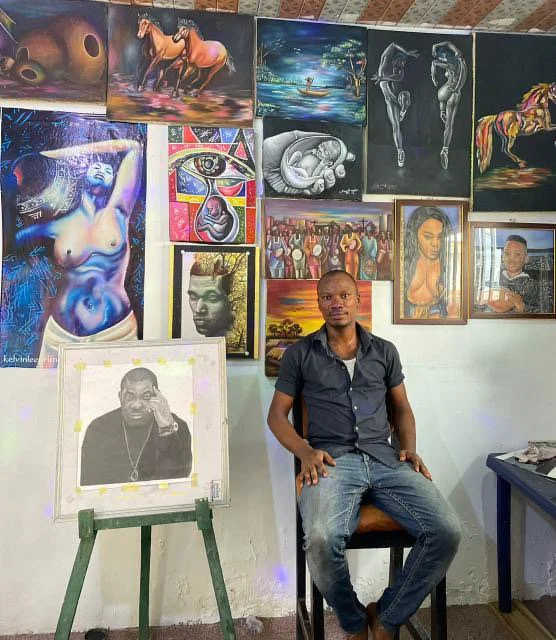
Okiemute Kelvin Ibrudhabor is a Nigerian multidisciplinary artist from Delta State whose work blends comic realism and impressionism to tell emotional and cultural stories. Drawing inspiration from his Isoko roots, his art often explores identity, resilience, and healing, especially reflecting the strength and experiences of African communities. He works across multiple mediums, including pastel, oil, acrylic, charcoal, and even augmented reality, using each technique to bring depth and storytelling into his pieces.
His creative vision focuses on remembering the past, healing the present, and creating art that sparks reflection and connection.
What First Drew You to Art, and when did You Realize it was something You wanted to Pursue Seriously?
Comic books drew me to art. From childhood, I loved drawing characters and imagining turning them into film scenes or storybooks. Over time, I realized my drawings could move people emotionally, that’s when I decided to pursue art seriously.
How did Growing up in Delta State Shape the Themes or Emotions in Your Work?
Growing up in Ozoro, Delta State, I witnessed strength and resilience daily, especially in Isoko women carrying children while working tirelessly. Their dignity and endurance deeply influence my art, which reflects memory, culture, and quiet strength.
Your work blends comic realism and impressionism—how did that style develop for you?
My comic book roots gave me storytelling and dramatic expression. Studying realism added depth and accuracy to emotion. Impressionism came as I focused on mood and atmosphere. The blend evolved naturally, comics for boldness, realism for detail, impressionism for feeling.
A lot of your pieces feel very emotional. What kinds of stories are you trying to tell through your art?
I tell stories of vulnerability, resilience, ancestry, and healing. My art explores emotions people experience but rarely express, aiming to connect, reflect, and inspire through cultural narratives.
Is there a Particular Piece You’ve Created that feels Especially Personal to You?
Eye of the Ancestors is deeply personal. An eye shedding tears holds a baby within, symbolizing generational memory, protection, and rebirth. It reflects how pain can carry purpose, and the presence of ancestral strength in our lives.
When You Start a New Piece, do You Begin with a Clear Idea or does it Unfold as You Go?
I usually begin with an emotional concept rather than a fixed image. The piece often unfolds organically, teaching me something new as it grows. Art is a conversation for me, not just execution.
You work with different mediums like charcoal, oil, pastel, and more—how do you decide which medium a piece needs?
Each medium has its energy — charcoal is raw and intimate, oil is layered and deep, pastel is soft and textured, thread art adds physical symbolism. I let the emotion of the concept guide the medium choice.
Where do You Usually find Inspiration for Your Concepts or Subjects?
Inspiration comes from everyday life, cultural stories, personal reflection, and the resilience of my community. Historical narratives like Opute also inspire me, reminding me that storytelling preserves identity.
What has been One of the Biggest Challenges in Your Aourney as an Artist so Far?
A big challenge has been visibility and access in a global space as a Nigerian artist. Limited platforms and exposure can make it hard to grow, but these challenges pushed me to innovate, like integrating augmented reality into my work.
How do you think Your Work has Evolved Over the Years?
My focus has shifted from technical skill to intentional storytelling. Early on, I chased realism; now I prioritize emotional depth and meaning. I create with clarity and confidence.
What do You hope People Feel or Think about After Experiencing Your Art?
I hope they feel seen and understood. I want them to reflect on their roots, resilience, and personal journey. If a piece makes someone feel connected or inspired, it has succeeded.
How Important is Cultural Identity in Your Work?
Cultural identity is foundational. It’s not decoration—it is structure. My art preserves and reinterprets African narratives, showing they are both timeless and globally relevant.
What’s Your Perspective on the Current Nigerian Art Scene?
It’s vibrant and growing rapidly, with bold experimentation and global attention. There’s still room for more technological integration, deeper storytelling, and stronger support for emerging artists.
What kind of Projects or Directions are You Excited to Explore Next?
I’m excited about expanding augmented reality projects and narrative series rooted in cultural history, including stories inspired by Opute and the founding of Ozoro Kingdom — blending tradition with immersive experiences.
When People Look Back at Your Work Years from now, what do You Hope they Remember or Takeaway from it?
I hope they see a body of work that preserved identity, explored healing, and proved African art can innovate while honoring its roots. I want it to be remembered as meaningful, not just aesthetic.