Reimagining Space and Memory Through the Lens: Taslimah Woli
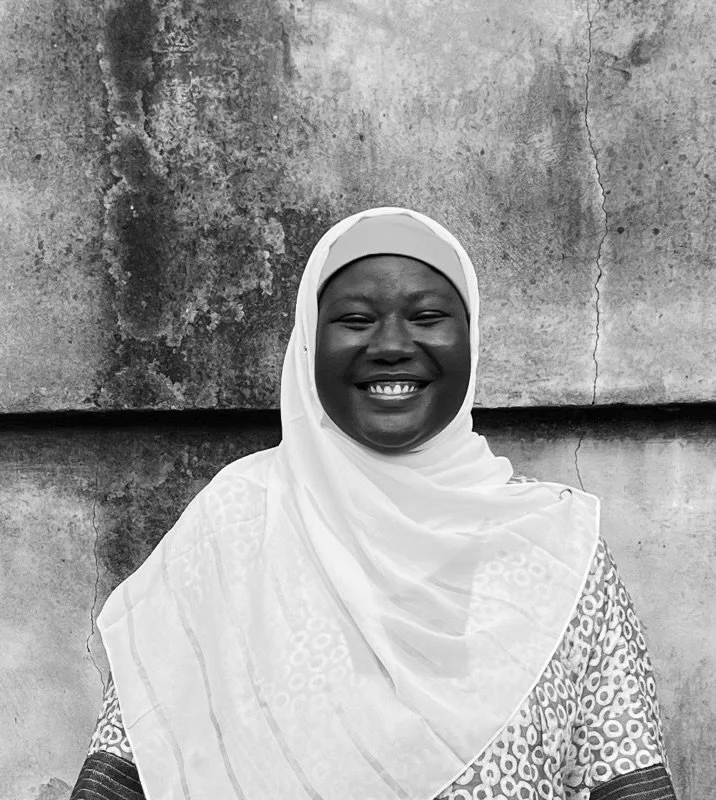
In recent years, a new generation of African photographers has emerged—artists who are documenting cities. Among them is Taslimah Woli, a Nigerian photographer whose work is about architecture, urban life and social inquiry.
With a background in architecture and a growing archive of images that center buildings and the people who inhabit them, Taslimah’s practice asks a simple question: who truly defines space? In this conversation, she reflects on her beginnings, the influence of architecture on her eye and her evolving commitment to documenting everyday life.
Can You tell us about Yourself and how You Started Photographing?
My name is Taslimah Woli. My first encounter with photography was in 2012 when I was selected for a two-week program in Lagos called The Phoenix Project. There was a short class on Social Media for Business, and part of it involved learning how to photograph products. It was just about an hour and a half, but it planted something in me.
I didn’t pursue photography immediately after that because the phone I was using at the time wasn’t great. But after I finished university, my sister asked whether I wanted an iPhone or an Android. I chose an iPhone and that’s when it began. I started taking photos of buildings around me and sharing them privately on WhatsApp. My friends kept encouraging me to post publicly. I was shy, but in March 2013, I finally did. That was the beginning.
Why Buildings? What drew You to Photographing Architecture First?
I studied architecture in university, so it was instinctive. When I picked up my phone, I was naturally drawn to buildings. That’s how I had been trained to see, to notice structures, shapes and the way space is occupied.
What was it like Putting Your Work Online for the First Time?
It was scary. When you start something new, people around you don’t always take it seriously. It’s not necessarily out of malice, they’re just unsure if you’ll stick with it. In the beginning, I would post and maybe only one person would like it. Some people even messaged me asking what exactly I was trying to do.
There wasn’t much support. But for some reason, I kept going. Over time, people began to see that I was consistent. Now there’s more understanding. But at the start, it felt like I was walking alone.
Your Recent Work Focuses More on People within Spaces. What Inspired that?
Last year, I won a prize from ART X Lagos, which gave me the opportunity to reflect more deeply on my work. As part of that experience, we studied the photography of J.D. ’Okhai Ojeikere, one of Nigeria’s most iconic photographers, who created an extensive archive of hairstyles across Nigeria and beyond.
That made me think about documentation and legacy. I realised that while I love photographing buildings, they are not neutral. It is people who give life to them. So I began asking: How can I bring people into these images? How can I show how they inhabit these spaces? Since then, I’ve been developing a broader project studying how people use space.
How does Your Architectural Background Influence the way You Compose Photographs?
Architecture school trains you to think about geometry, balance and perspective. So when I’m taking a photograph, I’m always conscious of alignment and form. Even when I’m taking portraits, I don’t just focus on the face. If there’s a building behind the subject, I’m aware of whether it’s straight, whether the windows align, how the person relates to the structure. I’m thinking about the relationship between the human figure and the built environment. That architectural training never left me.
Through this Exploration of People and Space, what have You Learned?
I’ve learned that designers often assume people will use spaces exactly as they were intended, but that’s rarely the case. People create meaning in their own ways. They sell goods on bridges. They build kiosks near roads. They set up food spots in unlikely places. Even if a space wasn’t designed for a particular function, people adapt it to survive and to thrive.
On Nigeria’s Independence Day last year, I saw a man selling goods on a bridge, a place architects would typically think of only as a transit structure. But for him, it was an opportunity. That moment reminded me that people constantly redefine space beyond its original design.
Art has Always been a Tool for Advocacy for Creatives, do You See Your Photography Contributing to that?
Yes, potentially. I’m still shaping how it will take form, but I can see how it could become advocacy. For example, I might focus on market women who cannot afford rent and therefore set up along roadsides. Through a photo essay, I could engage them in conversation, document their realities and create work that draws attention to larger structural issues, like access to affordable space or housing.
Photography can move people beyond aesthetics. It can ask important questions.
What Role has Community Played in Your Journey?
Community has been huge. I attend photo walks and events even if I don’t know anyone there. Through that, I’ve built relationships with people I can call for advice or recommendations. Creativity can feel isolating, especially at the beginning. But having even three people you can speak to about applications, ideas, or doubts makes a difference.
What do You Hope Your Work will Become in the Long Term?
I hope that by the end of my life, I’ll have created an extensive archive of Nigeria during the years I was alive. I also hope my work encourages architects to think more critically about how they design, to consider the lived realities of the people who will ultimately inhabit those spaces. If I can contribute to both documentation and reflection, I would consider that meaningful.